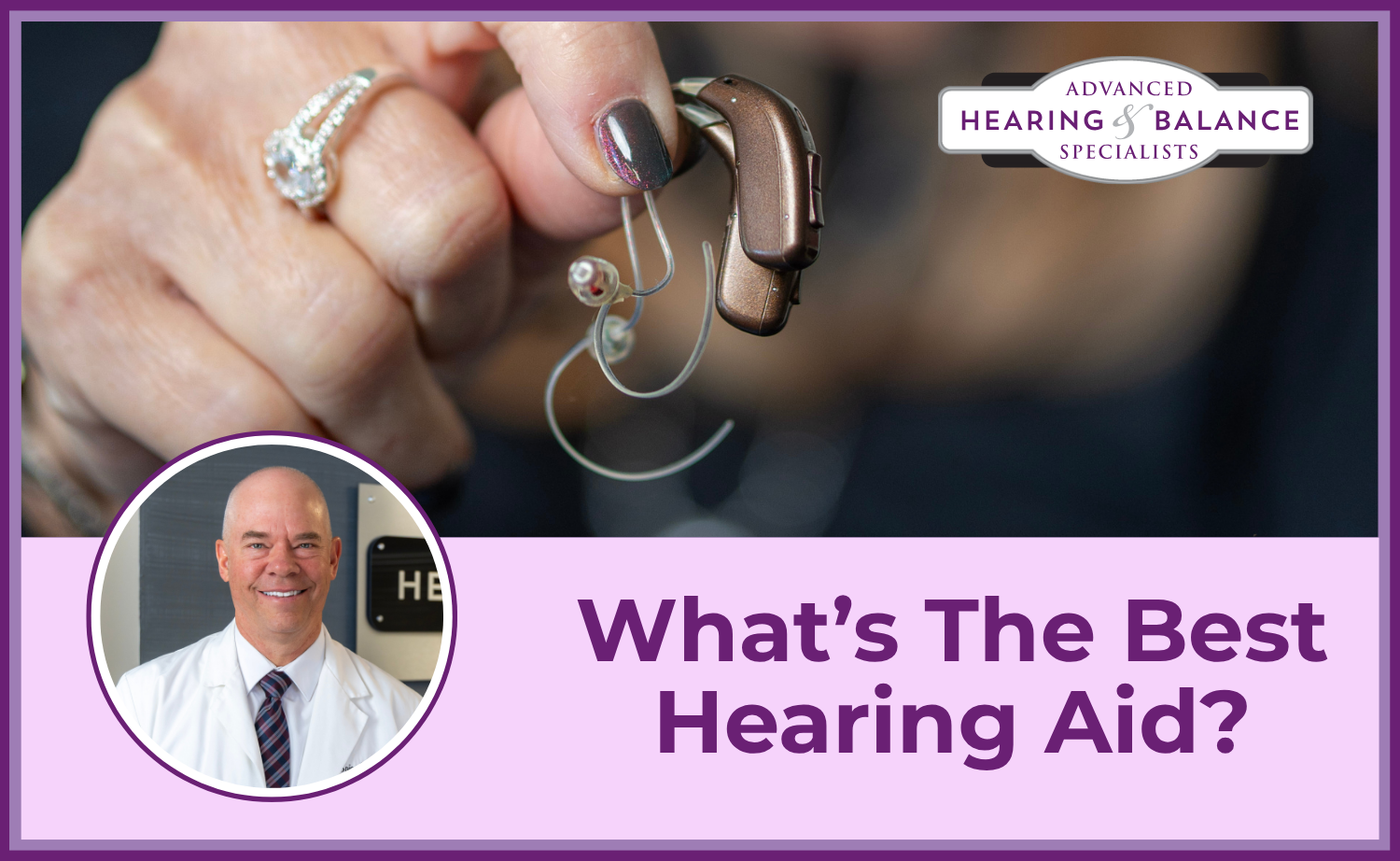
The best hearing aid is the one that is precisely matched to your hearing loss, lifestyle, and ear anatomy — and properly fitted and programmed by an audiologist. There is no single “best” device for everyone.
Types of Hearing Aids
Behind-the-Ear (BTE)
Receiver-in-Canal (RIC) / Receiver-in-the-Ear (RITE)
In-the-Ear (ITE)
In-the-Canal (ITC) and Completely-in-Canal (CIC)
Invisible-in-Canal (IIC)
Key Features to Consider
- Rechargeable vs. disposable batteries: Rechargeable models eliminate the need to handle tiny batteries — a major convenience for many users.
- Bluetooth connectivity: Allows direct streaming from smartphones, TVs, and other devices for clearer listening without background noise interference.
- Noise reduction and directionality: Advanced processing reduces background noise and focuses on speech from in front of you — critical for busy environments.
- Tinnitus masking: Many modern hearing aids include built-in sound therapy features for tinnitus management.
- Water and moisture resistance: Important for active lifestyles or humid climates.
- App control: Many devices can be adjusted via smartphone app for volume, program, and environmental settings.
Why Professional Fitting Matters
Purchasing a hearing aid without professional fitting is like buying prescription glasses based on an online chart. The device needs to be programmed to your specific audiogram, verified with real-ear measurement, and adjusted over time as your hearing changes. At Advanced Hearing & Balance Specialists, we follow best practice fitting protocols — including real-ear measurement — to ensure your hearing aids perform as intended, not just as advertised.
Follow-up care is equally important. Most patients benefit from at least two or three appointments in the first few months to fine-tune the fit and settings. This ongoing relationship with your audiologist is a key part of what sets professionally fitted devices apart from over-the-counter alternatives.