


FREE REPORT · VESTIBULAR HEALTH

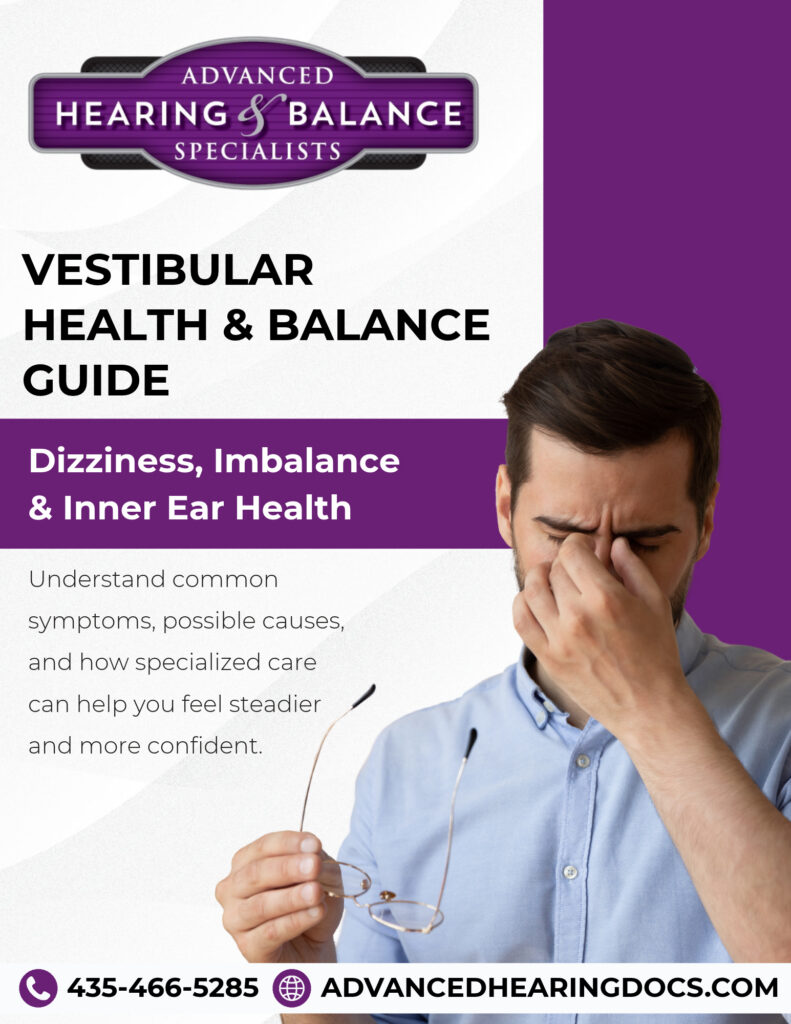
Vestibular Health & Balance: Dizziness, Imbalance & Inner Ear Health

Understand common symptoms, possible causes, and how specialized care can help you feel steadier and more confident.

FREE REPORT

Vestibular Disorder

What your balance system might be trying to tell you

A short, plain-language explanation from Dr. Rachael Gehmlich, Au.D.

What Exactly Is Vestibular Disorder?

Inside each inner ear are three fluid-filled loops that detect spinning, plus two small sensors that detect up-and-down and side-to-side motion and the pull of gravity. When one ear sends faulty signals, or the two ears disagree, your brain gets conflicting information. The result can be vertigo, unsteadiness, or that “off” feeling you can’t quite name.

Dizziness isn’t a disease itself. It’s a symptom that can be associated with several underlying conditions affecting the inner ear, the balance nerve, or how the brain processes balance signals. For some individuals, dizziness resolves on its own. For others, it persists and requires professional evaluation and ongoing management.

Why Does Dizziness Happen?

Looser Inner-ear Crystals (BPPV) The most common inner-ear cause of vertigo. Tiny calcium crystals drift into the wrong canal, triggering short, intense spins when you roll over, bend down, or look up. About 1 in 10 people will experience it by age 80.
Inner Ear Inflammation Inflammation of the balance nerve or inner ear (vestibular neuritis or labyrinthitis) can cause sudden, severe vertigo lasting hours to days, and sometimes follows a cold or viral illness.
Ménière’s Disease (BPPV) Episodes of vertigo paired with fluctuating hearing loss, ringing in the ear, and a feeling of fullness. A reminder that hearing and balance share the same inner-ear home.

Head Injury & Concussion
A blow to the head can disturb the inner ear or the way the brain processes balance signals, leaving people unsteady or dizzy long after the bump itself has healed.

Vestibular Migraine
Migraine doesn’t always bring a headache. For some people it brings dizziness, motion sensitivity, and light or sound sensitivity instead. It is among the most common causes of recurring dizziness.

Medications & Health Conditions
Certain medications cause dizziness, particularly at higher doses. Blood pressure changes, diabetes, and hearing loss are also linked. Never stop prescribed medication without consulting your provider.

1

25 Million

U.S. adults had tinnitus lasting 5+ minutes in the past year.

2

20 Million

Americans live with burdensome, long- term tinnitus.

3

16 Million

people seek professional care for tinnitus every year.

Can Dizziness and Imbalance Be Treated?

Yes! Although there isn’t a one-size-fits-all fix, several evidence-based approaches can resolve certain causes, reduce symptoms, and lower your risk of falling. The right approach depends on the cause, your hearing and overall health, and how much dizziness is affecting your life.

1

Hearing & Balance Evaluation

A professional evaluation looks at your hearing, your history, and how your inner ears, eyes, and body work together. It helps pinpoint the likely source and determine next steps.

2

Treating the Underlying Cause

Many causes have targeted treatments. For BPPV, a simple repositioning procedure can move displaced crystals back where they belong. Other causes may call for medical care or a medication review.

3

Retain Your Balance

Specialized vestibular exercises, often guided by a physical therapist, help your brain adapt and rebuild confidence in movement.

14M

OLDER AMERICANS FALL EACH YEAR, ABOUT 1 IN 4 ADULTS AGE 65 AND OLDER.

69M

U.S. ADULTS AGE 40+ HAVE SOME DEGREE OF VESTIBULAR (INNER-EAR BALANCE) DYSFUNCTION.

Is Dizziness Throwing Off Your Balance?

Check any that apply to you, or someone you love. It takes 30 seconds

out of 4 checked
0

WHAT OUR PATIENTS SAY

Hearing Test

Patient Testimonial: Rhea T.

Hearing Aids Helped

Patient Testimonial: Kerry E.

Rediscovering Sounds

Patient Testimonial: Lynn H.

MEET YOUR HEARING CARE TEAM

A Center of Specialty Care certified by the American Institute of Balance, the only one in Southern Utah.

Dr. Lance F. Greer
Au.D. Co-owner

Dr. Eric L. Maxwell
Au.D. Co-owner

Dr. Rachel Gehmlich Profile Picture

Dr. Rachael Gehmlich
Au.D.

Christine Chavez
NBC-HIS

TAKE THE NEXT STEP.

CLOSE THE GAP.

Book a Comprehensive Hearing + Balance Evaluation

At Advanced Hearing & Balance Specialists, will take the time to listen, evaluate your hearing and balance, and help you understand what’s behind your symptoms. Book your balance evaluation this week and take the first step toward steadier days.
WHAT HAPPENS AT YOUR VISIT
1
We Listen

What you’ve noticed, and what matters most to you.

2
We Test

Hearing, plus the test your concern calls for.

3
Results

Your results in plain language, and your options, no pressure. 

MORE FREE REPORTS

Can Tinnitus Be Treated?

Why Do I Struggle to Hear in Noise?
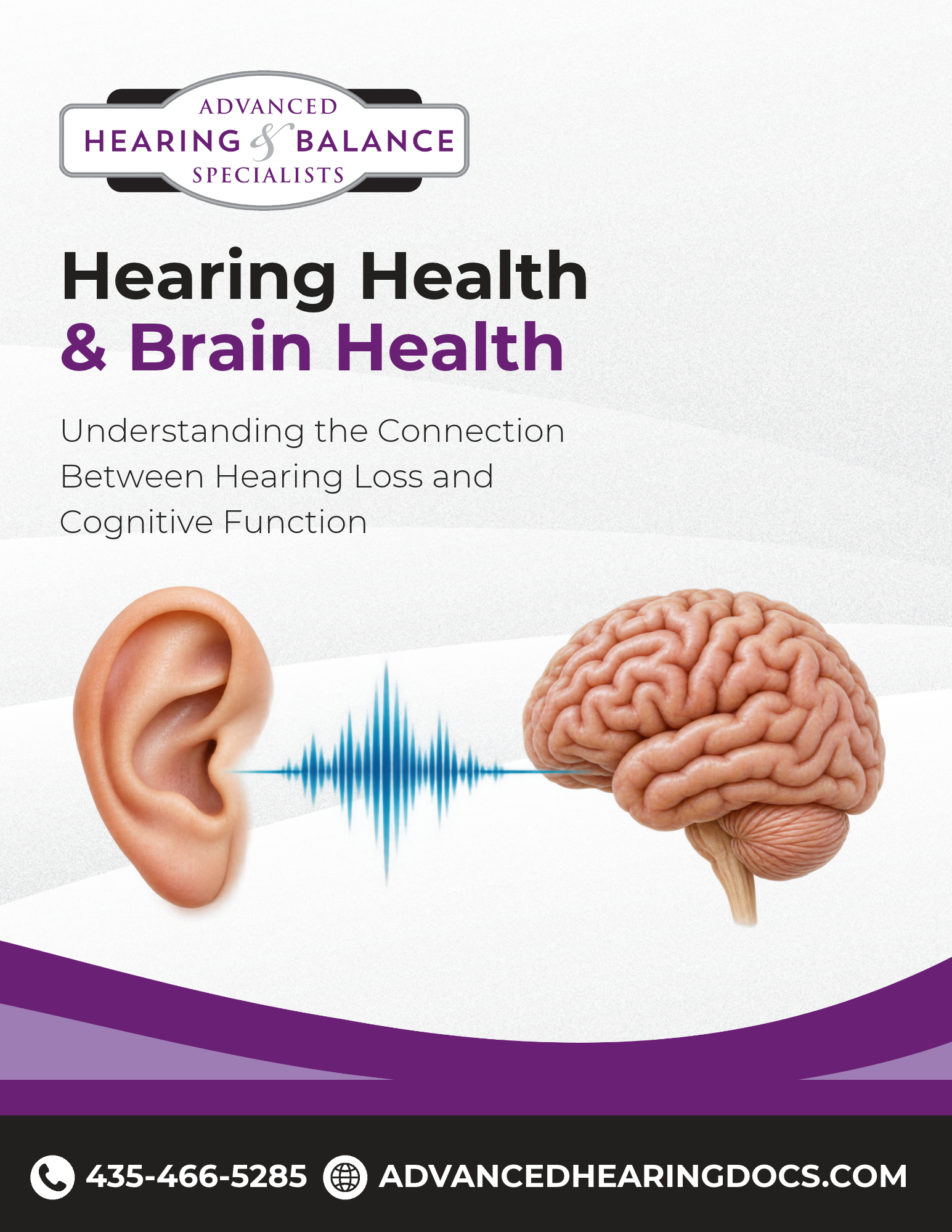
Hearing loss & Cognitive Function