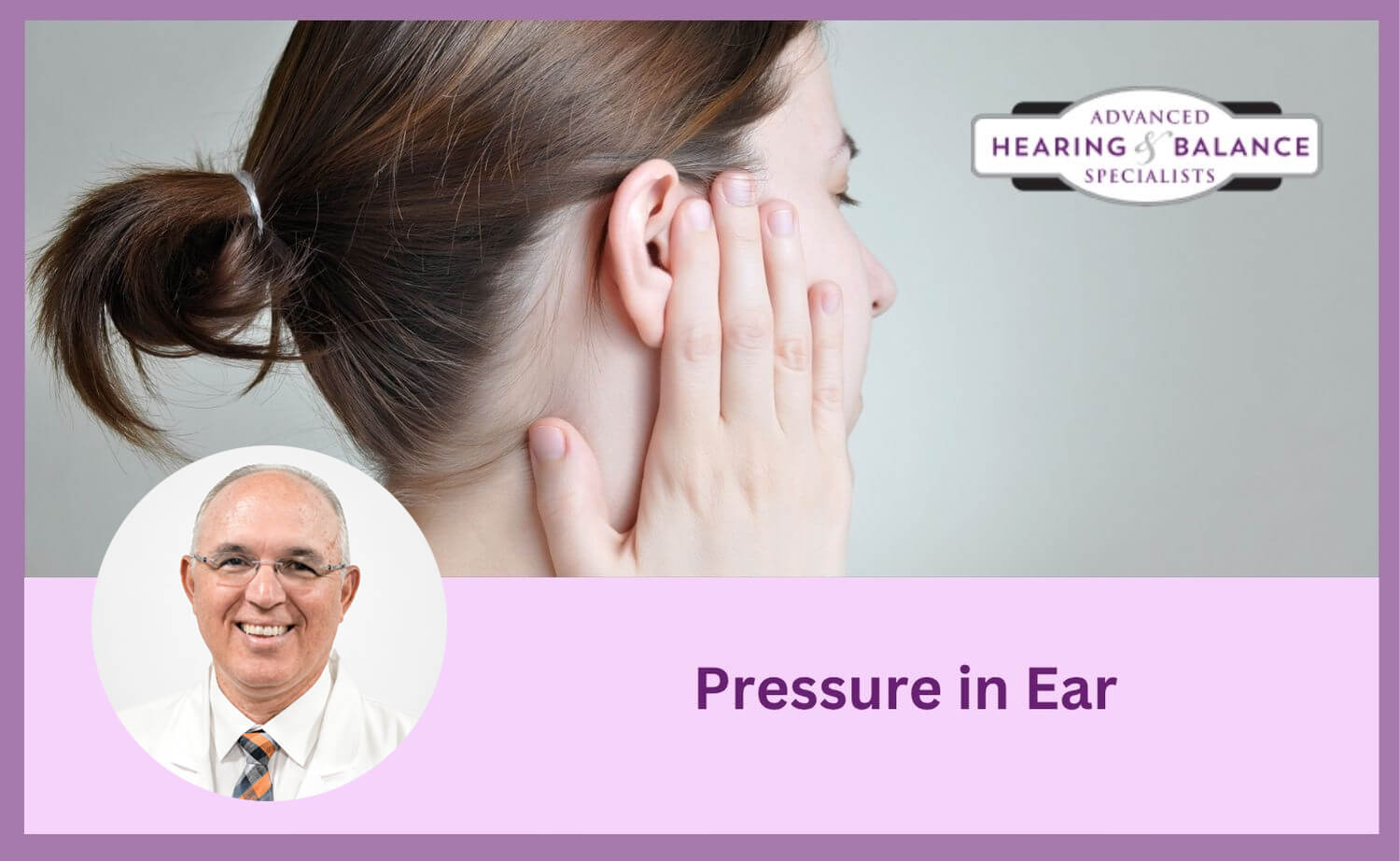
Have you ever felt a strange pressure in your ear, like when you’re on an airplane or driving up a mountain? This feeling is pretty common, and it can be a bit uncomfortable. As audiologists, we’re here to help you understand what causes this pressure and how you can deal with it.
What Causes Ear Pressure?
Ear pressure happens when there is a difference in pressure between the inside and outside of your ear. This difference usually occurs when you’re changing altitude, like during a flight or driving through the mountains. Your ears have a small tube called the Eustachian tube, which helps balance the pressure. When the Eustachian tube gets blocked or doesn’t work properly, you feel that uncomfortable pressure.
Sometimes, ear pressure can happen because of a cold, allergies, or sinus problems. When you’re sick, your Eustachian tube might get blocked by mucus, making it hard for your ear to adjust to pressure changes.
What Can You Do About Ear Pressure?
In most cases, ear pressure is just temporary. It may even go away on its own.
If you need quick ways to relieve ear pressure, you can try the following:
- Move Your Mouth (Yawn or Swallow): These actions help open the Eustachian tube, which can balance the pressure in your ear.
- Chewing Gum: This can help with swallowing and moving your jaw, which can also help open the Eustachian tube.
- Using the Valsalva Maneuver: This involves gently blowing while pinching your nose and keeping your mouth closed. This can push air into your Eustachian tube and help equalize the pressure.
When to See a Doctor
While ear pressure is usually not serious, there are times when you should see a doctor or audiologist.
If the ear pressure seems to not go away even after a few days, or if you experience other unpleasant symptoms like pain, dizziness, or hearing loss, please seek medical attention.
These could be signs of an ear infection or other medical issues that need treatment.
How Audiologists Can Help
As audiologists, we can help you figure out what’s causing your ear pressure and suggest the best treatment. We might perform a simple test to see how well your Eustachian tube is working.
If needed, we can also recommend treatments to relieve your symptoms or refer you to a doctor for further care.
Frequently Asked Questions About Pressure In Ear
Why do I feel pressure in my ears when I fly or drive up a mountain?
The pressure in your ears changes because of the difference in air pressure between the inside and outside of your ear. Your Eustachian tube usually helps balance this, but if it’s blocked or not working well, you feel pressure.
How can I relieve ear pressure at home?
You can try yawning, swallowing, or chewing gum to help open your Eustachian tube. The Valsalva maneuver, where you gently blow while pinching your nose and closing your mouth, can also help equalize the pressure.
Can ear pressure be a sign of something serious?
Ear pressure is usually not serious, but if it lasts for a long time or is accompanied by other symptoms like pain or hearing loss, it could be a sign of an ear infection or other medical problems that need attention.
Audiologists in Utah and South Nevada
Ear pressure is a common issue that many people experience.
While it’s usually just caused by something minor, it’s still good to be mindful of how your ears are feeling.
If you have ongoing ear pressure or other ear-related concerns, don’t hesitate to reach out to us at Advanced Hearing and Balance Specialists. We’re here to help you keep your ears healthy and your hearing at its best.
Contact us today to schedule an appointment!