Earwax, known medically as cerumen, is produced by glands in the outer ear canal to protect and lubricate the ear. Under normal circumstances, the ear is self-cleaning: jaw movements from talking and chewing gradually move wax toward the outer ear where it dries and falls away. But for many people, this natural process is insufficient, leading to buildup that affects hearing and comfort.
At Advanced Hearing & Balance Specialists, earwax removal is one of the most common procedures we perform. When done correctly, it brings immediate relief. When done incorrectly — especially with cotton swabs — it can push wax deeper and cause real damage.
Signs of Earwax Buildup
- Muffled or reduced hearing in one or both ears.
- A sensation of fullness or pressure in the ear.
- Tinnitus (ringing or buzzing in the ear).
- Earache or mild discomfort.
- Itching inside the ear canal.
- Dizziness in some cases.
Safe Ways to Remove Earwax at Home
Softening Drops
Over-the-counter carbamide peroxide drops or mineral oil can soften earwax, making it easier for the ear to naturally expel it. Apply a few drops, wait the recommended time, then tilt your head to let it drain out. This approach works well for mild buildup but may take several days of consistent use.
Warm Water Irrigation
Gently rinsing the ear canal with a bulb syringe and warm (body-temperature) water can help flush out softened wax. Do not use cold water — it can cause dizziness. Do not irrigate if you have a history of ear infections, a perforated eardrum, or ear surgery.
What to Avoid
- Cotton swabs: These push wax deeper into the canal and can impact or compress it against the eardrum. The saying is true — do not put anything smaller than your elbow in your ear.
- Ear candles: No clinical evidence supports their effectiveness, and they carry real risks including burns, blockages, and eardrum puncture.
- Sharp objects: Never use hairpins, toothpicks, or other sharp objects to remove earwax.
When to See an Audiologist for Ear Cleaning
Professional earwax removal is the safest, most effective option when:
- Home treatment has not resolved the blockage after several days.
- You experience significant hearing loss, pain, or dizziness.
- You have a history of ear infections, a perforated eardrum, or ear surgery.
- You wear hearing aids, which can accelerate wax buildup.
- Wax buildup is a recurring problem for you.
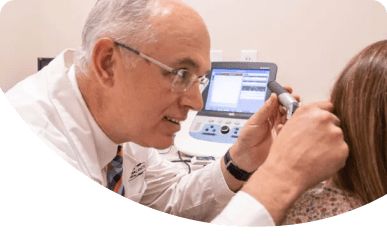
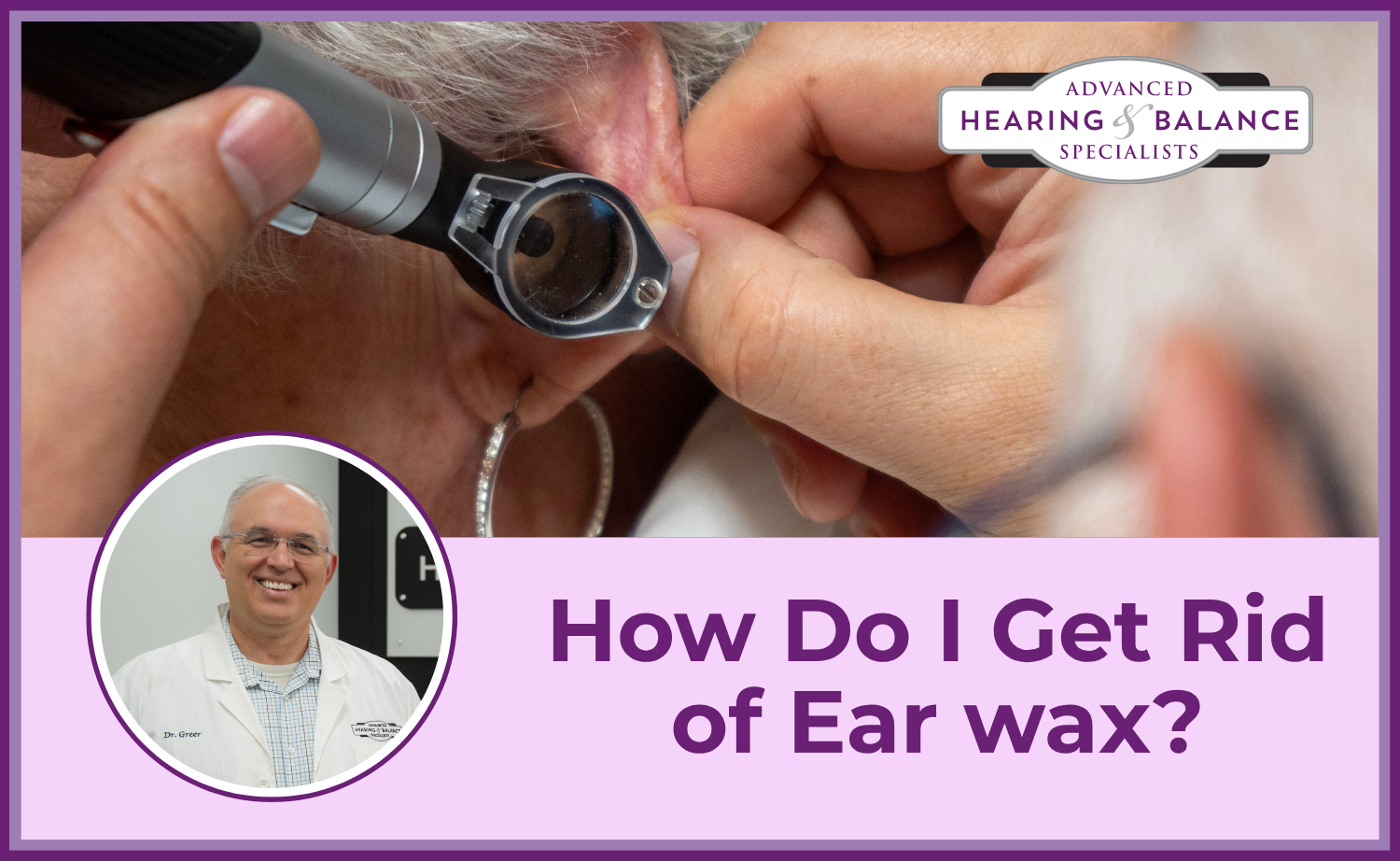
At Advanced Hearing & Balance Specialists, we use professional techniques including microsuction and irrigation under direct visualization to safely clear the ear canal. The procedure is quick, comfortable, and provides immediate results.
Why Hearing Aid Wearers Are More Prone to Wax Buildup
Hearing aids block the natural migration of wax out of the ear canal and can stimulate increased wax production. Regular professional cleaning — typically every three to six months — is an important part of hearing aid maintenance and overall ear health for device wearers.
Frequently Asked Questions
Can earwax cause permanent hearing loss?
Earwax itself does not cause permanent hearing loss. However, a significant impaction can cause temporary muffling of sound that is easily reversed with professional removal. Leaving wax impacted for long periods can occasionally irritate the ear canal.
How often should I have my ears cleaned?
Most people do not need routine ear cleaning at all — the ears are self-cleaning. If you are prone to buildup, an audiologist can recommend a cleaning schedule appropriate for your situation, typically every six to twelve months.
Is microsuction better than ear irrigation?
Both are effective when performed correctly by a trained professional. Microsuction is performed under direct visual guidance and does not involve water, making it preferable for people with a history of perforated eardrums or ear surgery.
If you are experiencing blocked ears, muffled hearing, or discomfort from earwax, Advanced Hearing & Balance Specialists offers safe, professional ear cleaning. Contact us to schedule an appointment — relief is often immediate.